
The inside of a box is a design surface as important as the outside — and one that many small brands underinvest in. A product that slides around inside a box on arrival, or sits awkwardly on a pile of tissue without any structural support, undermines the impression created by excellent outer packaging. Here is what to know before you order.
Insert types we source
Foam Inserts
EVA foam inserts (die-cut) — the most common foam insert format. Sheets of EVA foam die-cut to a custom shape that cradles the product precisely. Available in multiple layers with cavities cut at different depths to accommodate different product shapes. Widely used in jewelry, cosmetics, electronics accessories, and fragile gift products.
EPE (expanded polyethylene) foam inserts — a softer, more flexible foam with excellent cushioning properties. Used where impact absorption is a priority alongside presentation. Common in cosmetic gift sets and candle packaging.
Flocked foam inserts — an EVA foam insert covered in a soft velvet-like flock material, typically in black, white, or a brand color. The standard for premium jewelry boxes — the flock surface grips the product and signals luxury. Also used for high-end cosmetic sets and fragrance gift boxes.
Sponge foam inserts — a very soft, compressible foam used where gentle grip and product stabilization are needed. Common in eyewear boxes, bottle packaging, and irregularly shaped product cavities.
Cardboard and Paper Inserts
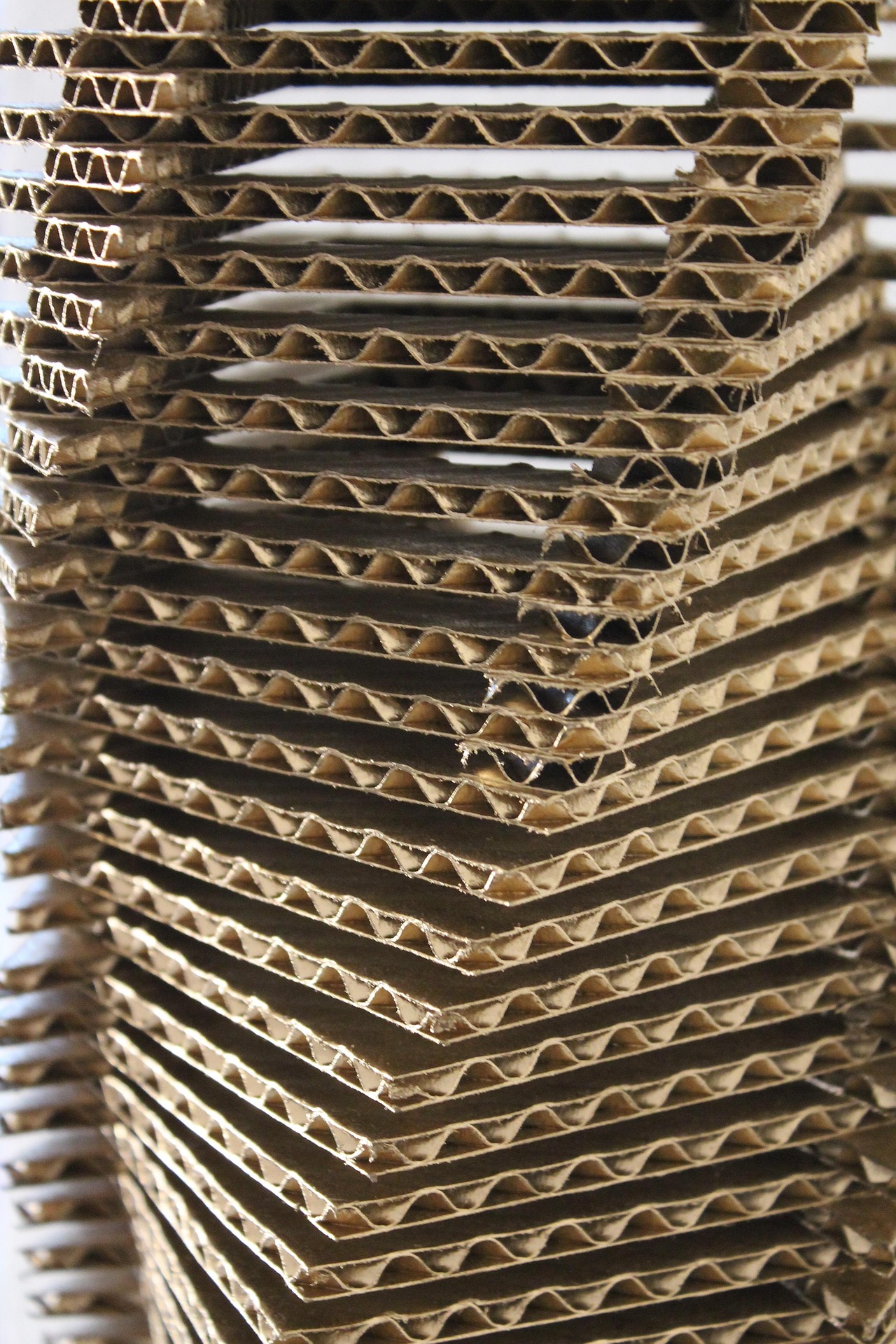
Corrugated cardboard inserts (dividers and cells) — interlocking corrugated dividers that create individual cells within a shipping box. Used for multi-unit packing of glass jars, bottles, or fragile individual items. Often kraft-finish and unprinted.
Rigid board cavity inserts — a thick-board insert with pre-formed cavities, lined with paper or foil, that holds each product in a fixed, elevated position. A step between EVA foam and a full rigid tray in terms of cost and presentation quality.
Folded paper trays and platforms — a folded paper or card platform that elevates a product within the box, creating the impression of a pedestal presentation without the cost of foam tooling. Common in mid-tier beauty and personal care gift sets.
Branded paper liner inserts — a flat sheet of printed paper or coated card placed beneath or around the product inside the box. Carries brand imagery, a brand message, care instructions, or a QR code. Functions as a visual interior panel rather than a structural element.
Thermoformed Plastic Trays
PET thermoformed trays — a clear or colored plastic tray vacuum-formed to the exact shape of the product or product set. Used in cosmetic gift sets, chocolate and confectionery, medical and wellness products, and consumer electronics accessories. Creates a precise, clean product presentation inside a box.
PVC or RPET blister trays — similar to PET but in a slightly different material class. Blister trays hold multiple individual items in precisely formed cavities — common in cosmetic kits, supplement daily packs, and multi-piece accessory sets.
Designing your insert correctly
The most critical input for a custom insert quote is an accurate product dimension profile. Provide:
Length × width × height of the product in its final form (bottle, jar, pouch, tube — measured accurately)
Number of products the insert must accommodate
Orientation — does the product sit upright, on its side, or at an angle?
Any caps, lids, or protrusions that need to be accommodated in the cavity design
Box internal dimensions so the insert is sized to fit without movement
Getting these measurements right before the tooling or die is cut is critical — foam and thermoformed inserts involve a one-time tooling cost that is not refundable if dimensions are incorrect.
An insert does two jobs simultaneously. First, it protects — a product that cannot move during transit cannot break, scratch, or arrive misaligned. Second, it presents — a product lifted and cradled precisely within its box looks intentional, curated, and premium. These two functions combined justify the insert's cost many times over, particularly for fragile, high-value, or gift-positioned products.
For wholesale brands, a custom insert is also an argument to the retail buyer. A product that arrives shelf-ready and damage-free because of its packaging is a product that creates no returns, no complaints, and no friction in the wholesale relationship.
Shape Bend Form is a sourcing service built specifically for small and micro retail brands in the US, Canada, and Mexico. We work with vetted manufacturers in India and China to produce custom retail packaging, display stands, and brand extras — then ship everything direct to you via air freight. Think of us as your dedicated packaging sourcing team: we find the right manufacturer, negotiate your price, manage production, and get your order to your door.
No. We are sourcing specialists, not a factory. This is actually an advantage for you — because we work with multiple manufacturers across India and China, we can match your specific project to the supplier best suited to your materials, format, quantities, and timeline. You get access to a wider range of capabilities than any single factory could offer.
We currently serve retail brands in the United States, Canada, and Mexico.
We work with micro and small retail brands across a wide range of product categories, including skincare and beauty, jewelry and accessories, specialty food and artisan beverages, candles and home fragrance, apparel and lifestyle, and subscription box businesses. If you sell a physical product and care about how it's presented, we can likely help you.
Sourcing overseas manufacturers on your own requires significant time, supplier vetting experience, language navigation, and quality oversight that most small brand founders simply don't have the bandwidth for. We already have established relationships with reliable factories, know how to read and negotiate quotes, and manage the production process so you don't have to. You focus on your brand — we handle the sourcing.